Bad weather forces Rahul to cancel Almora rally, return to Delhi
Congress MP and Leader of the Opposition in the Lok Sabha Rahul Gandhi's Almora rally was cancelled on Thursday owing to bad weather conditions in the Kumaon region.
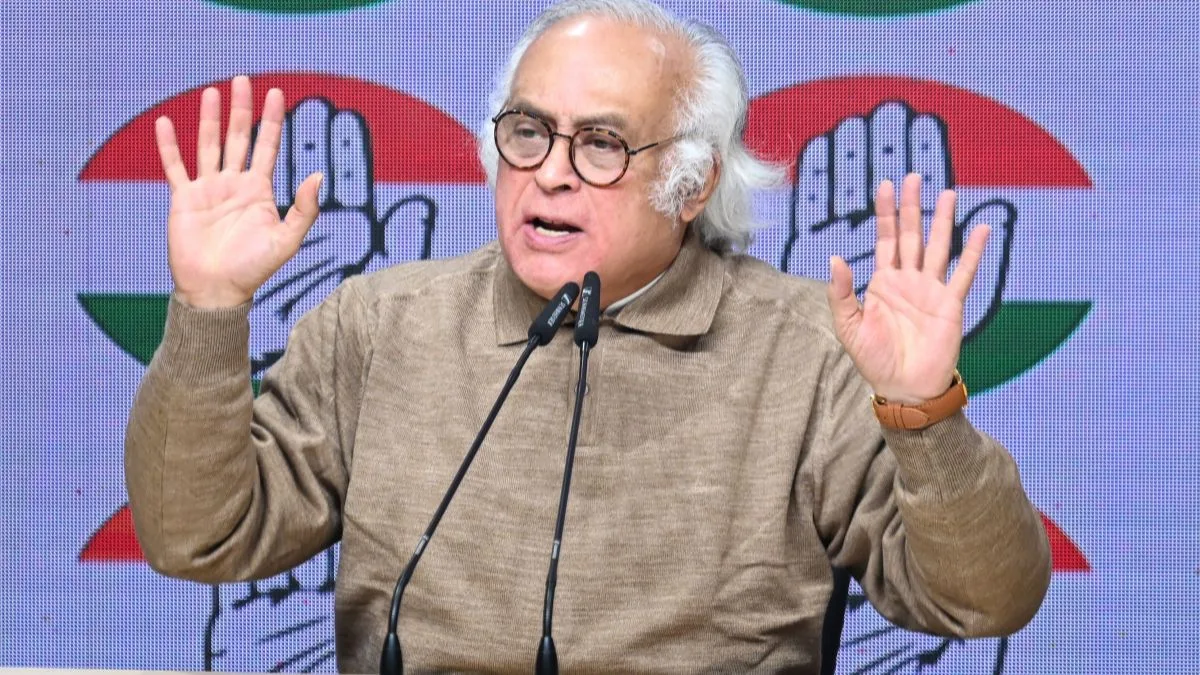
The Congress on Sunday sharpened its criticism of the Centre over the proposed Great Nicobar Island Development Project, with party general secretary (communications) Jairam Ramesh accusing the government of overlooking “grave ecological, tribal, financial, and transparency concerns” in its push to implement the plan.




File Photo: IANS
The Congress on Sunday sharpened its criticism of the Centre over the proposed Great Nicobar Island Development Project, with party general secretary (communications) Jairam Ramesh accusing the government of overlooking “grave ecological, tribal, financial, and transparency concerns” in its push to implement the plan.
In a detailed statement, Ramesh alleged that the government had gone into “damage control mode” following Leader of the Opposition Rahul Gandhi’s visit to Great Nicobar on April 28, and said a subsequent official press note failed to address key issues raised by local communities, environmentalists, and experts.
Advertisement
He described as “misleading” the government’s claim that only a small portion of land in the Andaman and Nicobar Islands would be used, arguing that it ignored the “unique ecological richness” of Great Nicobar. “This is a treasure house where new species are still being discovered,” Ramesh said, referring to recent findings of several previously undocumented species.
Advertisement
Raising concerns over the proposed port at Galathea Bay, he called the site an ecologically fragile zone and an important nesting ground for the endangered Giant Leatherback turtle. “Port construction in such a Coastal Regulation Zone-1A area is not permitted, yet classifications have been altered and protections diluted to facilitate the project,” he alleged, adding that the bay is home to thousands of coral colonies.
Ramesh also questioned the integrity of the environmental clearance process, alleging “conflict of interest” and pressure on scientific institutions and regulatory bodies. According to him, organisations involved in granting approvals were later assigned roles in biodiversity monitoring, while independent institutions critical of the project were sidelined.
Terming the compensatory afforestation plan “ecologically illiterate”, he criticised the proposal to offset deforestation in Nicobar with plantations in Haryana. “A forest is far more than just trees — it is a complex living ecosystem that cannot be recreated in a different environment,” he said.
He further pointed to inconsistencies in official estimates of tree felling, noting that figures had varied from over 8.5 lakh to 9.6 lakh in earlier statements, compared to 7.11 lakh cited recently. “Which number is to be believed?” he asked, alleging a lack of seriousness in environmental assessment.
Highlighting tribal concerns, Ramesh said the Nicobarese community had withdrawn its consent for forest diversion, claiming it had been obtained under pressure and without full disclosure. He also questioned how informed consent was secured from the Shompen, a Particularly Vulnerable Tribal Group living in isolation. “It remains unclear how authorities engaged with a largely uncontacted community,” he said, adding that the implementation of the Forest Rights Act in the region was rushed and compromised.
On feasibility, he cast doubt on projections such as an airport handling 10 million passengers annually — far exceeding current traffic at Port Blair — and warned of stress on local resources, including water supply. He also flagged concerns raised within government forums about the financial viability of the proposed transshipment port, which would have to compete with established regional hubs without a strong supporting industrial base.
Alleging a “complete lack of transparency,” Ramesh said crucial reports, committee deliberations, and environmental data had not been made public, even under the Right to Information Act. “Debate is being stifled under the guise of national security,” he charged.
Referring to observations by former Navy chief Arun Prakash, Ramesh argued that strategic considerations should not be used to justify large-scale commercial development. He called for a comprehensive parliamentary discussion, stating that “security imperatives must be addressed independently and transparently, not used to bulldoze a project of this scale.”
The Centre, however, has maintained that the Great Nicobar project, envisaged as a major transshipment hub with associated infrastructure, adheres to environmental norms and is vital for India’s economic and strategic interests
Advertisement